News
Recent News and Stories


- Cardiovascular
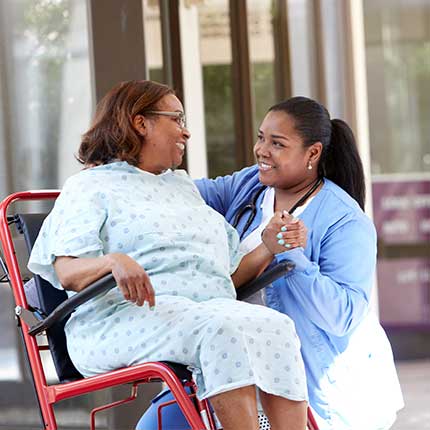
Cardiologist stresses importance of women’s heart health
- Neurology
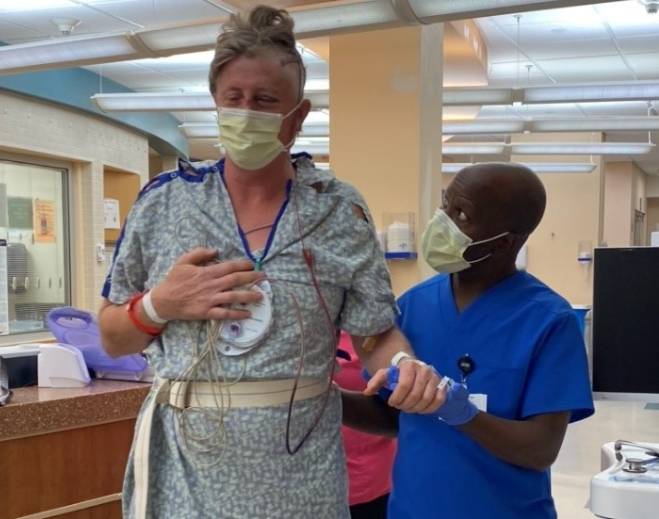
Local electrician praises NMC for swift care, surgery that saved him after life-threatening Traumatic Brain Injury
- Community
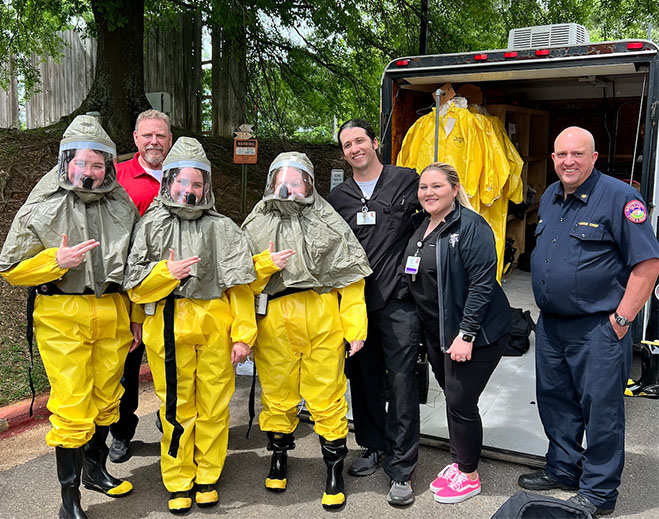
Nacogdoches Medical Center conducts successful full-scale DECON drill

- Community
Sister physicians practice side by side, making a difference in kids’ lives
- Health and Wellness
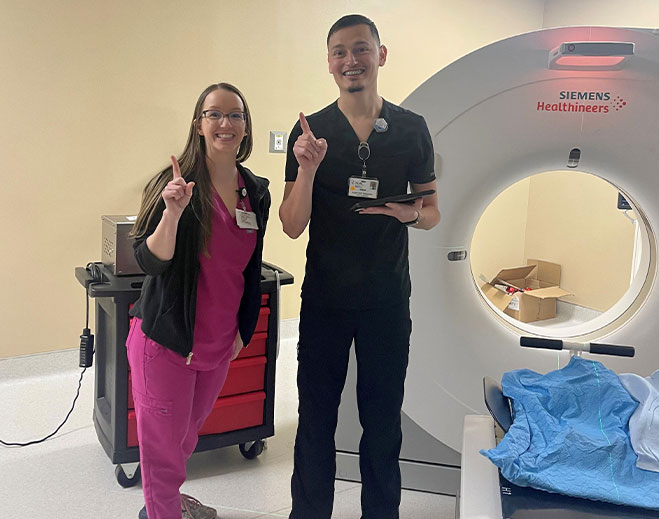
Sweet newborns, expert dieticians, and advanced technology all stress importance of heart health every day
- Health and Wellness
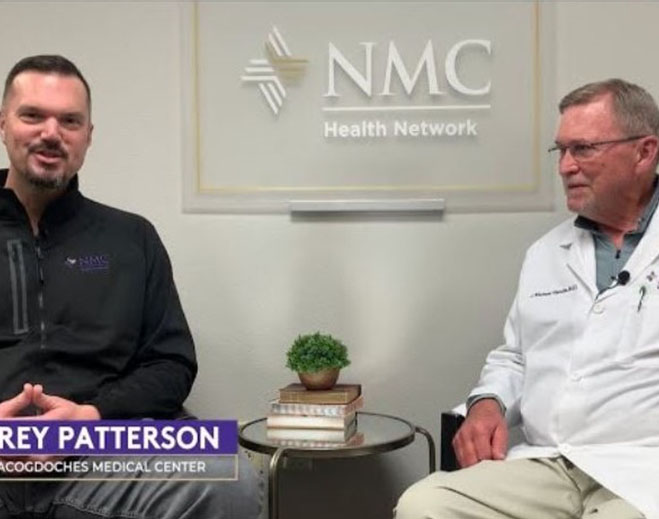
Nacogdoches Medical Center launches ‘Ask a Doc’ video program
- Neurology
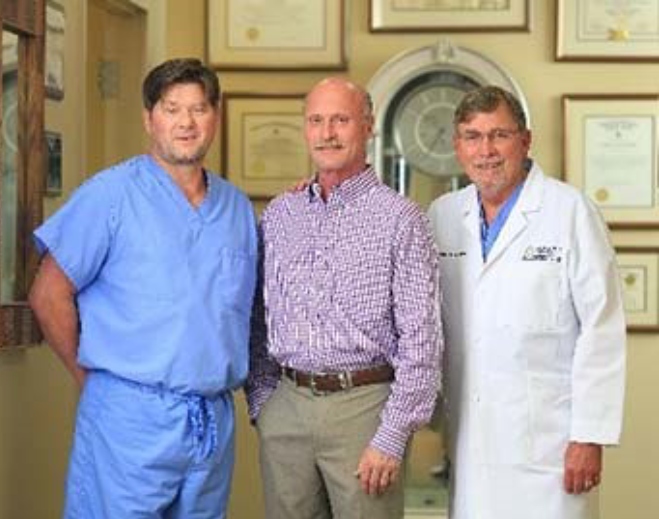
Nacogdoches Medical Center launches specialized spine care institute

- Cardiovascular
Doctor says ‘Don’t let Holiday stress land you in the Emergency Room’

- Awards
Nacogdoches Medical Center earns ‘A’ grade for patient safety from national Leapfrog Group
- Mammogram
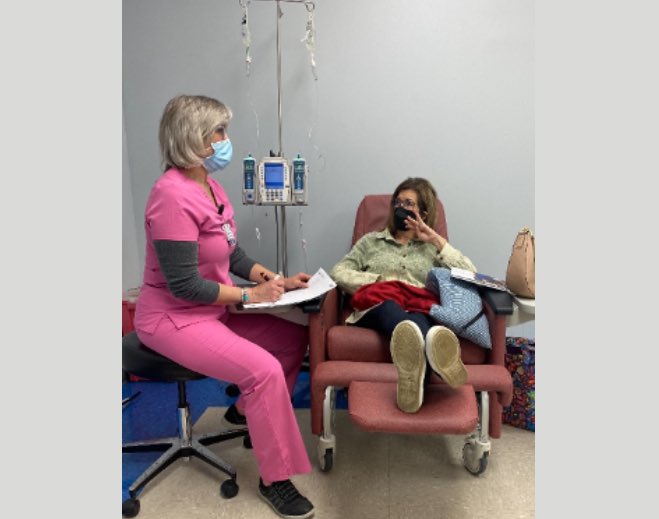
Breast cancer survivor encourages women to make time for annual mammogram

- Mammogram
‘Mammos & Margs’ event marks National Mammography Day Hospital offers extended hours with Margarita treat to encourage mammograms

- Health and Wellness
September is Peripheral Artery Disease (PAD) Awareness Month

- Awards
Nacogdoches Medical Center nationally recognized with ‘A’ Grade for Spring 2022 Leapfrog Hospital Safety Grade
- Community
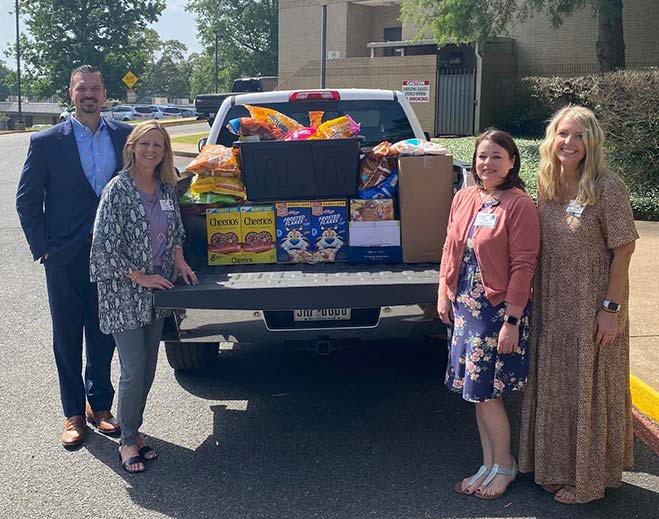
Cereal drive success: Nacogdoches Medical Center collects hundreds of pounds of cereal and dollars for East Texas community
- Cardiovascular
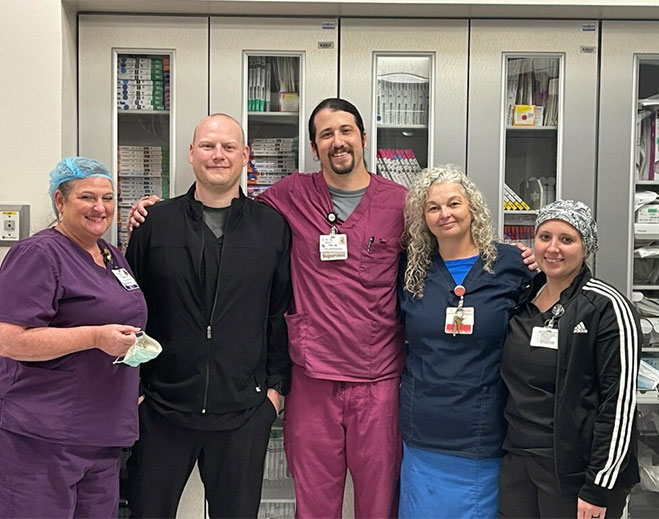
Nacogdoches Medical Center Adds Critical Cardiac Care for East Texas

- Community
Nacogdoches Medical Center’s Healthy Over Hungry® Cereal Drive runs June 6 to 10

- Hospital Administration
Nacogdoches Medical Center appoints new associate administrator
- COVID-19
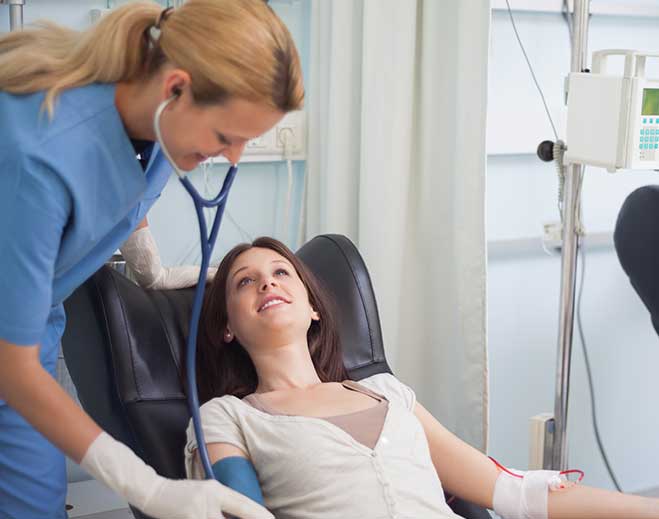
Hospital partners with city, state, county to bring COVID infusion treatment to East Texans
- Oncology
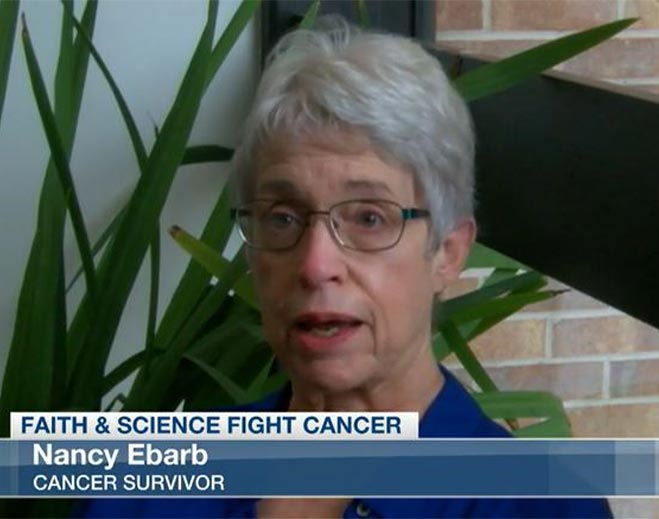
Stage 4 metastatic lung cancer survivor sings on stage for first time in a year after remarkable improvements
- Announcement
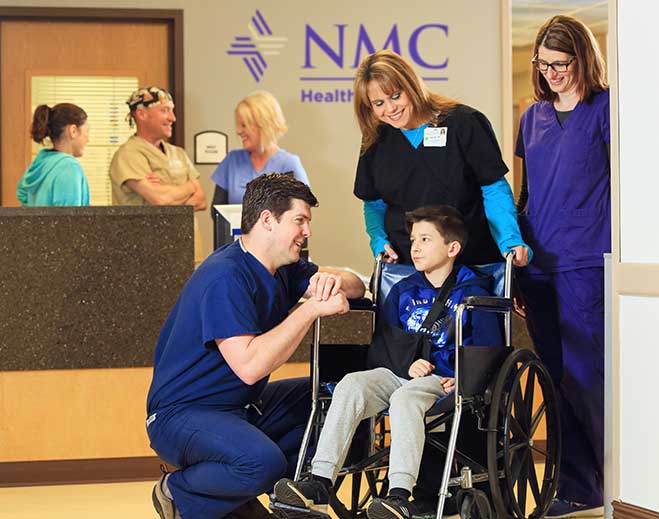
Nacogdoches Medical Center nationally recognized with 12th consecutive ‘A’ for spring 2021 Leapfrog Hospital Safety Grade

- COVID-19
Health Experts Urge the Community Not to Delay Care
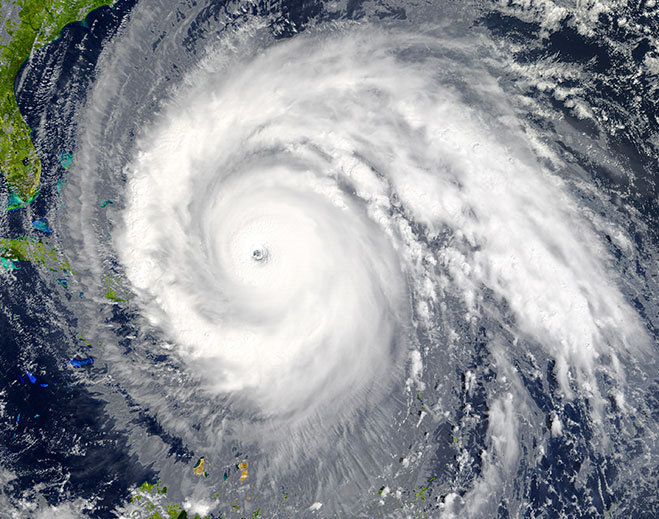
NMC Health Network: Hurricane Laura Update
- Awards
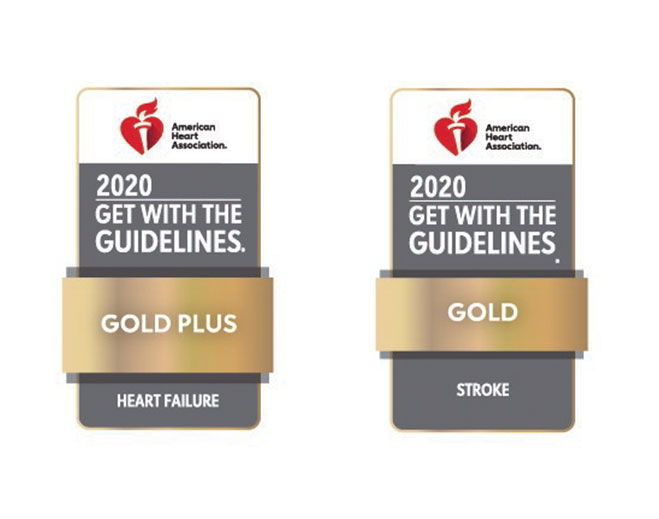
Nacogdoches Medical Center Recognized for Excellence in Heart and Stroke Care

- Awards
Nacogdoches Medical Center Earns 4 Stars In Governments Latest Hospital Compare Rankings
.jpg?sfvrsn=fd4e24e6_4)
- Maternity
Laughing Gas is No Laughing Matter for Moms in Labor
- Community
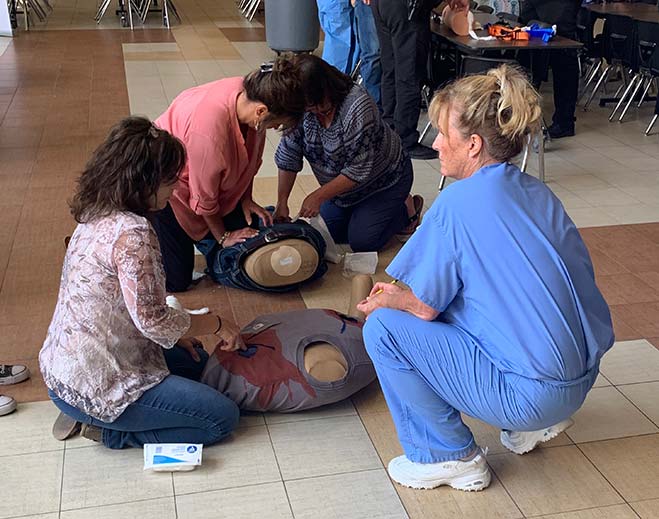
Training Bystanders to Save Lives
- Awards
U.S. News & World Report Names Nacogdoches Medical Center High Performing for Both Heart Failure and Stroke Treatment

- Awards
Straight A’s Again For Nacogdoches Medical Center

- Emergency
NMC Utilizing Life-Saving Communication Technology in Emergency Departments

- Awards
Nacogdoches Medical Center Earns 7th Consecutive 'A' Grade For Patient Safety

- Community
NMC Health Network marks Breast Cancer Awareness Month with 5th annual Simply Pink event

- Maternity
NMC NICU Designated as a Level II Special Care Nursery by the Texas Department of State Health Services

- Community
NMC Celebrates National Breastfeeding Month

- Emergency
NMC Designated as a Level IV Trauma Facility by the Texas Department of State Health Services

- Awards
NMC Wound Care Center Recognized With National Award For Outstanding Clinical Outcomes

- Oncology
NMC Health Network Announces Plans To Enhance Cancer Program Services
- Awards
Nacogodoches Medical Center Again Earns A Grade For Patient Safety
- Community
Local Hospital and EMS Provider Partner to Improve Sepsis Care



Sign Up for Health Tips
Get our advice and upcoming events about weight, pain, heart and more.