Obstetrics
Nacogdoches Health Network and Nacogdoches Medical Partners offer a range of obstetrics services to provide comprehensive pre-conception, prenatal and postpartum support.

-

Breastfeeding
Embrace the bond of breastfeeding with NMC Health Network. Get expert guidance and support for a successful breastfeeding journey! -

Neonatal Intensive Care Unit
Support for your little ones in NICU at NMC Health Network. Let us ease your worries with expert care for newborns in our specialized unit. -

Contraception Management
Contraception management involves making informed decisions about preventing pregnancy. Learn more. -

Postpartum Depression
Learn about treatments for postpartum depression, a condition that affects women within one year after childbirth, to help new mothers regain their well-being. -

Obstetrics Stories
In hospitals, we’re surrounded by stories. Some are incredible. Some are touching and heartfelt. All of them are nice to hear. -

Gynecology
Nacogdoches Health Network and Nacogdoches Medical Partners offer a range of gynecologic and other services that support women’s health. Learn more.
Obstetrical Services
For over 50 years, we've helped women in Nacogdoches at every stage of motherhood, from planning to labor and delivery. We offer a comprehensive range of obstetrical services, including:
- Vaginal deliveries
- Cesarean sections
- Tubal ligations
- Dilation and curettage (D&C)
- Fetal monitoring (inpatient and outpatient)
- Maternal and fetal observations
- IV hydration and medication
- Induction of labor
- Maternal and newborn care
- Circumcisions
Our accommodations and patient support services include:
- Private labor, delivery and recovery room, a bathroom, shower, adjustable bed and a couch or reclining chair for your labor partner
- Educational program that provides child birthing and parenting education classes
- Level II Neonatal Intensive care Unit (NICU)
- We accept most major insurances, including Medicaid. See our insurances accepted page for more information.
- Breastfeeding education and assistance by specially trained nursing staff that can provide care and support during your hospital stay. Lactation Consultants available by consultation.
Prenatal care is the healthcare a woman receives during pregnancy, starting as soon as pregnancy is suspected. Early and regular prenatal care visits are crucial for the well-being of both mother and fetus. These prenatal visits provide an opportunity to discuss the health of the mother and fetus and address any pregnancy-related concerns.
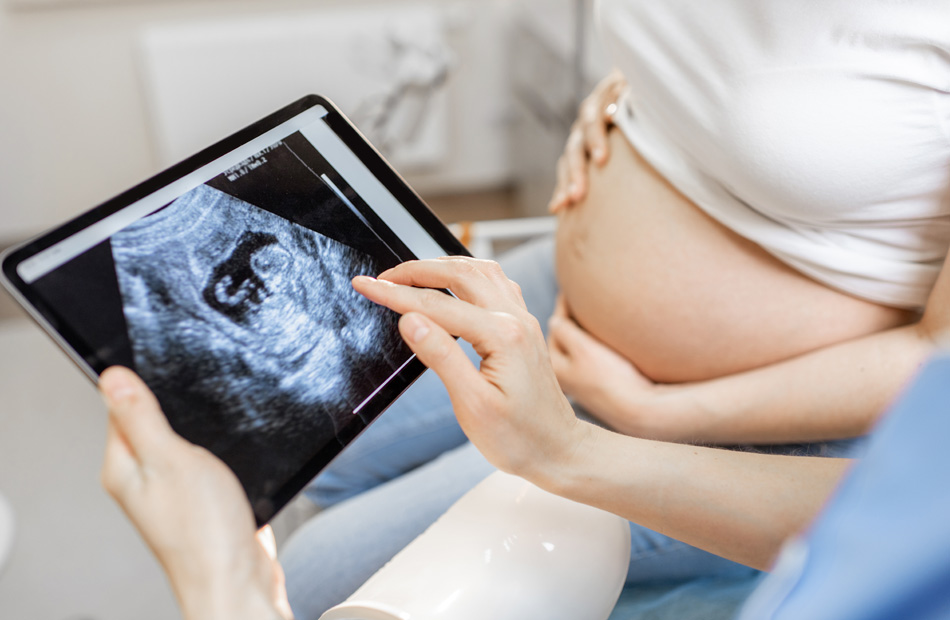
Women who think they might be pregnant should schedule a prenatal visit with their healthcare provider to begin prenatal care. These prenatal visits usually involve a physical exam, weight monitoring and urine tests. Additional tests like blood work and imaging tests like ultrasounds may be performed depending on the pregnancy stage.
Doctors usually provide the following schedule for all necessary visits during a woman's pregnancy:
- Weeks 4 to 28: About once a month
- Weeks 28 to 36: Twice a month
- Weeks 36 to birth: Weekly
Women over 35 or who have a high-risk pregnancy due to conditions like diabetes or high blood pressure require more frequent prenatal visits. Regular checkups with an OBGYN, midwife or family doctor trained in obstetrics are crucial to monitor a woman's pregnancy and address any potential health issues early on when they are easier to treat.
Midwifery care involves providing skilled and caring support to women and their families before pregnancy through labor, birth and the early weeks of a baby's life. Midwives are trained professionals who have completed a recognized education program and are licensed to practice. Midwives are the main professionals who support pregnant women during birth with little intervention if no complications arise.
Quality midwifery care improves over 50 other health-related outcomes, including better sexual and reproductive health, higher rates of immunization and breastfeeding and support for issues like quitting smoking during pregnancy, HIV, obesity in pregnancy, early childhood development and postpartum depression.
During birth and labor, midwives usually:
- Give information, encouragement and emotional support
- Monitor the mother's progress and the baby's heartbeat
- Offer pain relief or arrange for a doctor to provide medications
- Get extra medical help if needed
In the hospital, midwives also provide postnatal care, which includes:
- Helping mothers with breastfeeding and getting their newborns settled
- Teaching mothers how to bathe their newborns and change diapers
- Providing pain relief if necessary (or getting a doctor to help)
- Doing routine health checkups, like newborn screening
Midwives work in many public and private health settings, such as hospital maternity units, birth centers and private homes. Registered nurses can also become midwives by completing postgraduate studies in midwifery care.
Pam's Story: NICU Experience
Pam is a Labor, Delivery and Postpartum nurse at Nacogdoches Medical Center. She's also a two-time NICU mom to two sons. Here's how the NICU team at NMC has helped care for her family through both childbirth experiences.