
Orthopedics Services Glossary
Orthopedic Diseases
An annular tear is a break in the tough, outer covering of the joints between vertebrae. When the annular layer is torn, underlying nerves are exposed and painful.
Arthritis of the spine occurs when the cartilage in the joints and discs of the neck and lower back degenerate. Without this protective cartilage, the tops of the bones become worn down, causing pain.
Bone spurs are extra bony growths that occur on bones. Although these growths are usually smooth, they can cause pain when they compress bones, tissues and nerves.
A bulging disc occurs when a disc that provides cushioning between vertebrae extends beyond the space it normally occupies. Bulging discs usually are not painful and are a normal part of the aging process.
Canal stenosis occurs when the spinal canal narrows due to age-associated changes, such as vertebrae becoming misaligned. Since the nerves become compressed and irritated, canal stenosis can cause pain, numbness and weakness below the waist.
Cervical spondylosis is chronic and excessive wear on the cartilage and bones of the neck. It frequently causes chronic neck pain.
A collapsed disc can occur when dehydration and age-related changes cause a disc between vertebrae to shrink. It is a painful condition and can increase susceptibility to disc herniation or rupture.
Degenerative disc disease is not a specific disease. It encompasses a wide range of conditions in which a damaged disc causes pain.
Degenerative joint disease, more commonly known as osteoarthritis, occurs when joint cartilage breaks down. Primarily a disease of middle-aged and older adults, degenerative joint disease can cause joint pain, stiffness and grinding.
Facet Disease occurs when the joints that connect the spinal bones become swollen and painful due to injury or arthritis. Since nerve roots which connect the arms, legs and neck to the spinal cord travel through these joints, facet disease can cause widespread pain and difficulty with movement.
Foraminal Stenosis occurs when the foramina, or large central openings of each spinal bone, become narrowed due to arthritis and other age-related conditions. Foraminal Stenosis can lead to numbness, weakness and pain in the arms or legs.
A herniated disc occurs when the outer layer of a vertebral disc is broken, resulting in a leak of fluid. Symptoms vary and range from pain, numbness and weakness in a leg or arm to no symptoms at all.
A herniated disc occurs when the outer layer of a vertebral disc is broken, resulting in a leak of fluid. Symptoms vary and range from pain, numbness and weakness in a leg or arm to no symptoms at all.
Myofascial Pain Syndrome is a chronic condition in which placing pressure on sensitive muscular trigger points causes pain in other areas of the body. It often is the result of repetitive motion strain.
Neuropathic pain occurs when damaged or improperly functioning nerves send false signals to the brain. Phantom limb pain is a type of neuropathic pain.
Peripheral neuralgia is a condition in which the nerves that transmit information between the Central Nervous System (brain and spinal cord) and the rest of the body are damaged. Symptoms can range from tingling and numbness to muscle weakness.
A pinched nerve occurs when surrounding bones, muscles or cartilage place excessive pressure on a nerve. The resulting nerve dysfunction causes pain, numbness, tingling and weakness.
A prolapsed disc occurs when one of the discs that are located between the vertebrae is damaged. The pressure this damaged disc placed on nearby nerves causes numbness, tingling, weakness and pain in the back, neck and other areas of the body.
Radiculopathy is pain, numbness, tingling and weakness along a spinal nerve. It is most common in the lower back and the neck.
Sciatica is pain that radiates along the course of the sciatic nerve, which runs from the lower back to the bottom of each leg. Sciatica pain typically occurs on one side of the body.
Orthopedic Testing
A Computerized Tomography (CT) Scan is a test that involves combining X-rays taken from multiple angles to form a cross-sectional image of blood vessels and soft tissues.
An endoscopic disc stimulation diagnosis involves injecting discs near the site of back pain with a small amount of contrast fluid. When the patient feels pain, the doctor can visually observe the site of pain using an endoscope.
An epiduroscopy involves using an epiduroscope to visually examine the epidural space, or area that contains the nerves that connect the spinal cord and the rest of the body. This test is used to check for inflammation and scar tissue in the nerve roots.
A facet branch block involves injecting a local anesthetic and a steroid into a nerve near a spinal joint to diagnose the source of spinal pain based upon the quality and duration of the relief obtained.
Magnetic resonance imaging (MRI) is a diagnostic technique that creates detailed images of organs and tissues using a magnetic field and radio waves.
Pain mapping is a diagnostic technique in which a doctor probes sensitive areas and asks the patient to rate the pain they feel. This technique can be minimally invasive and creates a detailed map of sensitive areas.
Provocative Arthrography is a procedure in which contrast dye is injected into the joint space and X-rays are taken. The dye injections may provoke symptoms and pain.
Provocative manometric discography is a diagnostic procedure in which contrast dye is injected into problematic discs and CT scan images are taken. The dye injections may provoke symptoms or pain.
Provocative manometric discography is a diagnostic procedure in which contrast dye is injected into problematic discs and CT scan images are taken. The dye injections may provoke symptoms or pain.
A selective nerve root block involves injecting local anesthetics and steroids near a spinal nerve root that is suspected of causing pain. It can be used to determine which spinal nerve root(s) are causing symptoms such as pain.
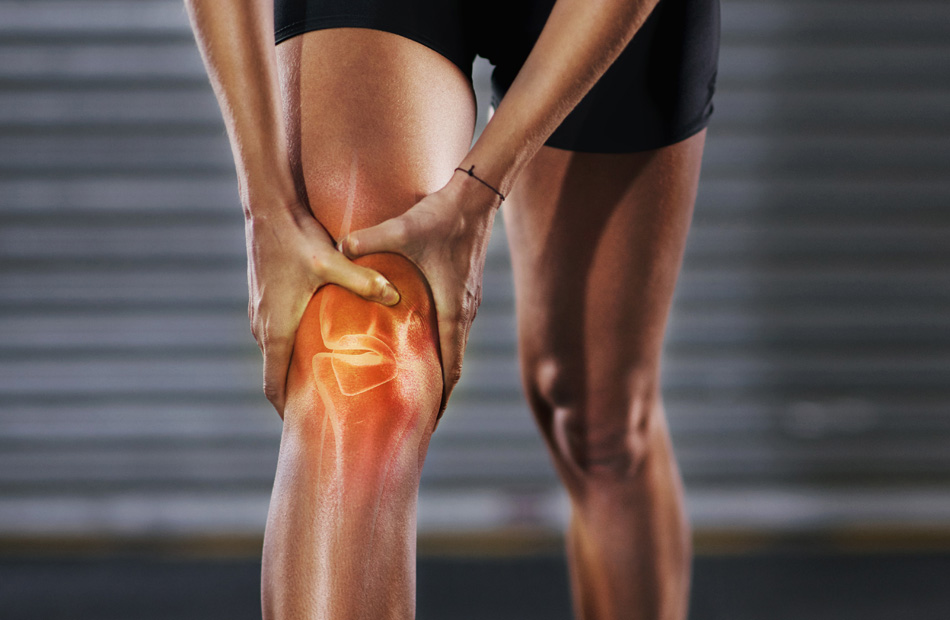
Knee Quiz
Quantify how knee pain is affecting your quality of life with our assessment.
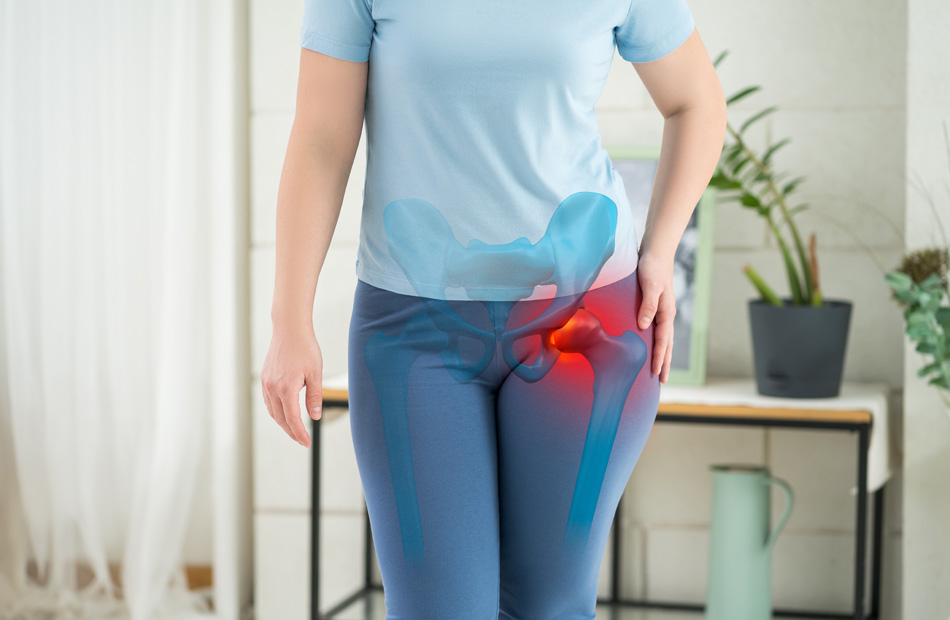
Hip Quiz
Quantify how hip pain is affecting your quality of life with our assessment.